
School of Divinity and Brookings Institution panel reviews Trump administration’s executive actions on religion
Washington, D.C. — On January 12, scholars, policy officials, and members of the public gathered at the Brookings Institution for a timely conversation on religious freedom and executive power in the United States. Co-hosted by the Governance Studies program at Brookings and the Wake Forest University School of Divinity, the event took place just days before National Religious Freedom Day, observed annually on January 16 in commemoration of the Virginia Statute for Religious Freedom.
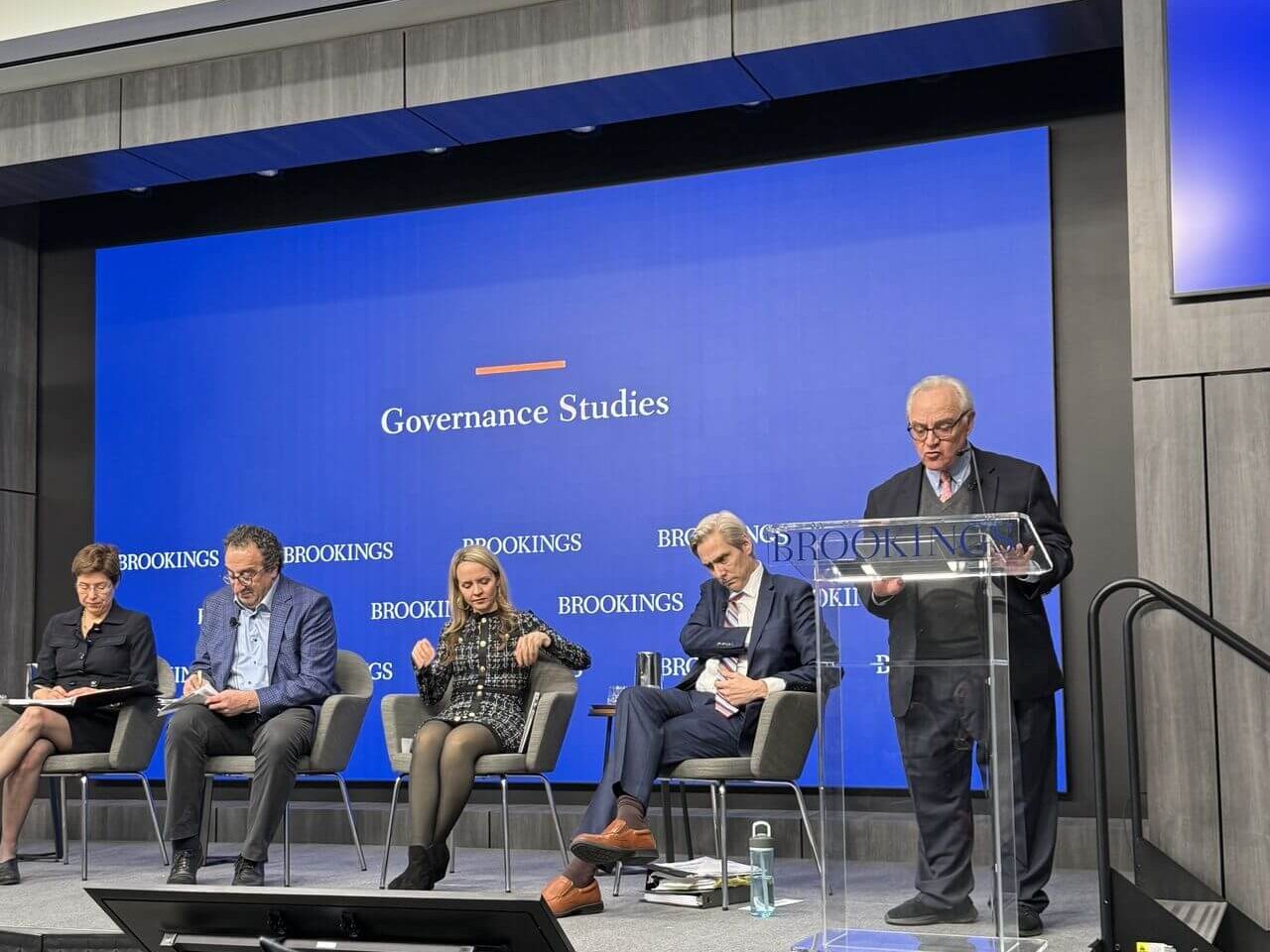
Full Event Recording
Faith and Freedom: Reviewing the Trump Administration’s Executive Actions on Religion, brought together prominent legal scholars to examine executive actions taken during the Trump administration across federal agencies including the Departments of Justice, Homeland Security, Education, and Defense. The discussion explored the legality of these actions, their policy rationale, and their broader social and constitutional implications.
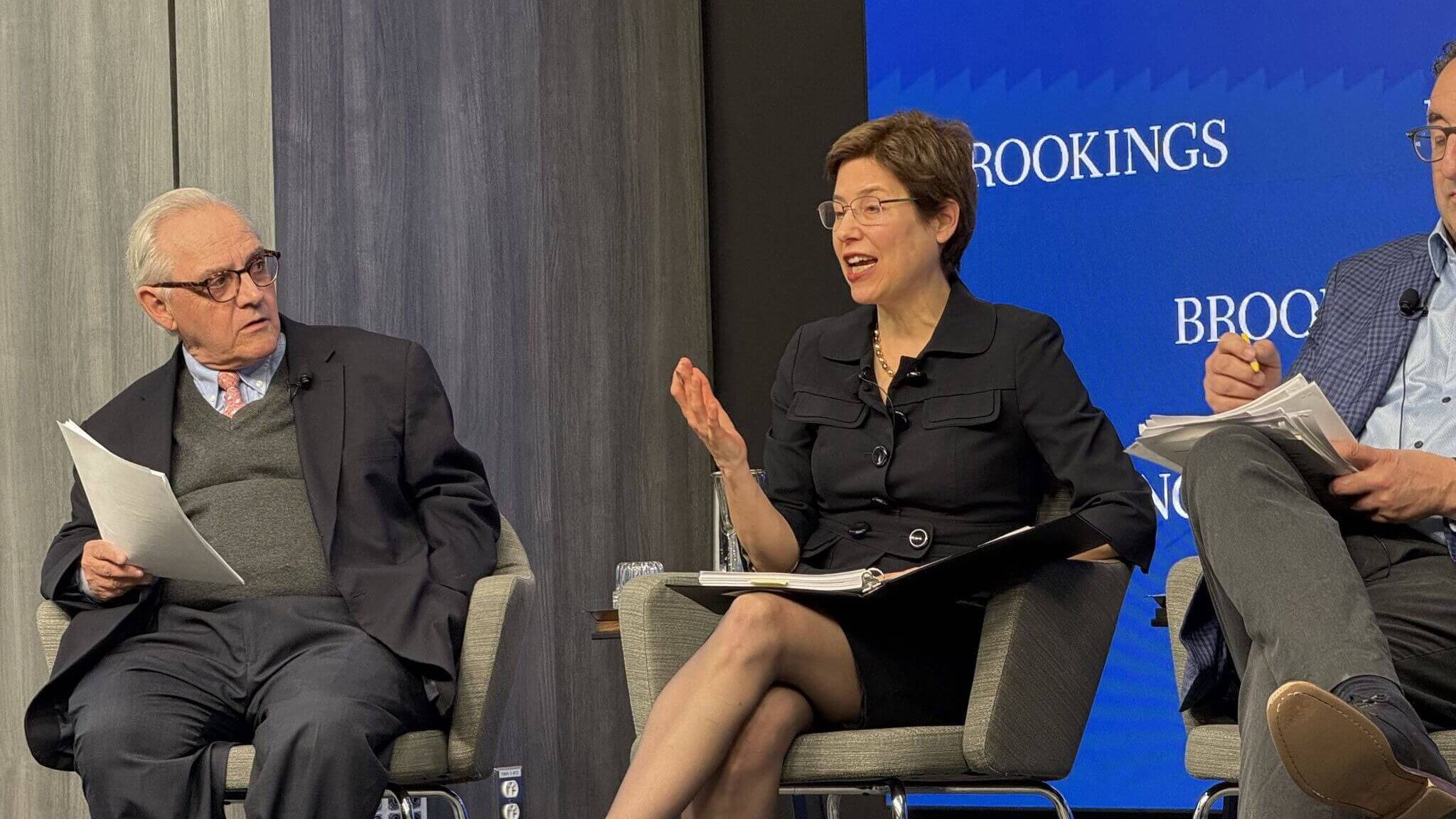
The panel was organized and moderated by Melissa Rogers, Wake Forest University School of Divinity Distinguished Scholar in Residence in Faith, Law, and Public Policy, and Nonresident Senior Fellow in the Governance Studies program at Brookings Institution. E.J. Dionne, Jr., Senior Fellow in Governance Studies and W. Averell Harriman Chair in American Governance at Brookings joined Rogers in moderating an informative and wide-ranging discussion that balanced legal analysis with attention to political context and democratic norms.
Opening the conversation, Corey D. B. Walker, Dean and Wake Forest Professor of the Humanities at the Wake Forest University School of Divinity, situated religious freedom within a broader moral and civic framework. Walker said, “How religion is interpreted and regulated by the state has profound implications for civil rights, immigration, education, health care, national security, and the very meaning of citizenship.” He underscored the importance of examining executive actions not only through constitutional analysis, but also through ethical reflection on whose freedoms are protected, whose are constrained, and how the common good is imagined in moments of political division.
Read Dean Walker’s opening remarks here.
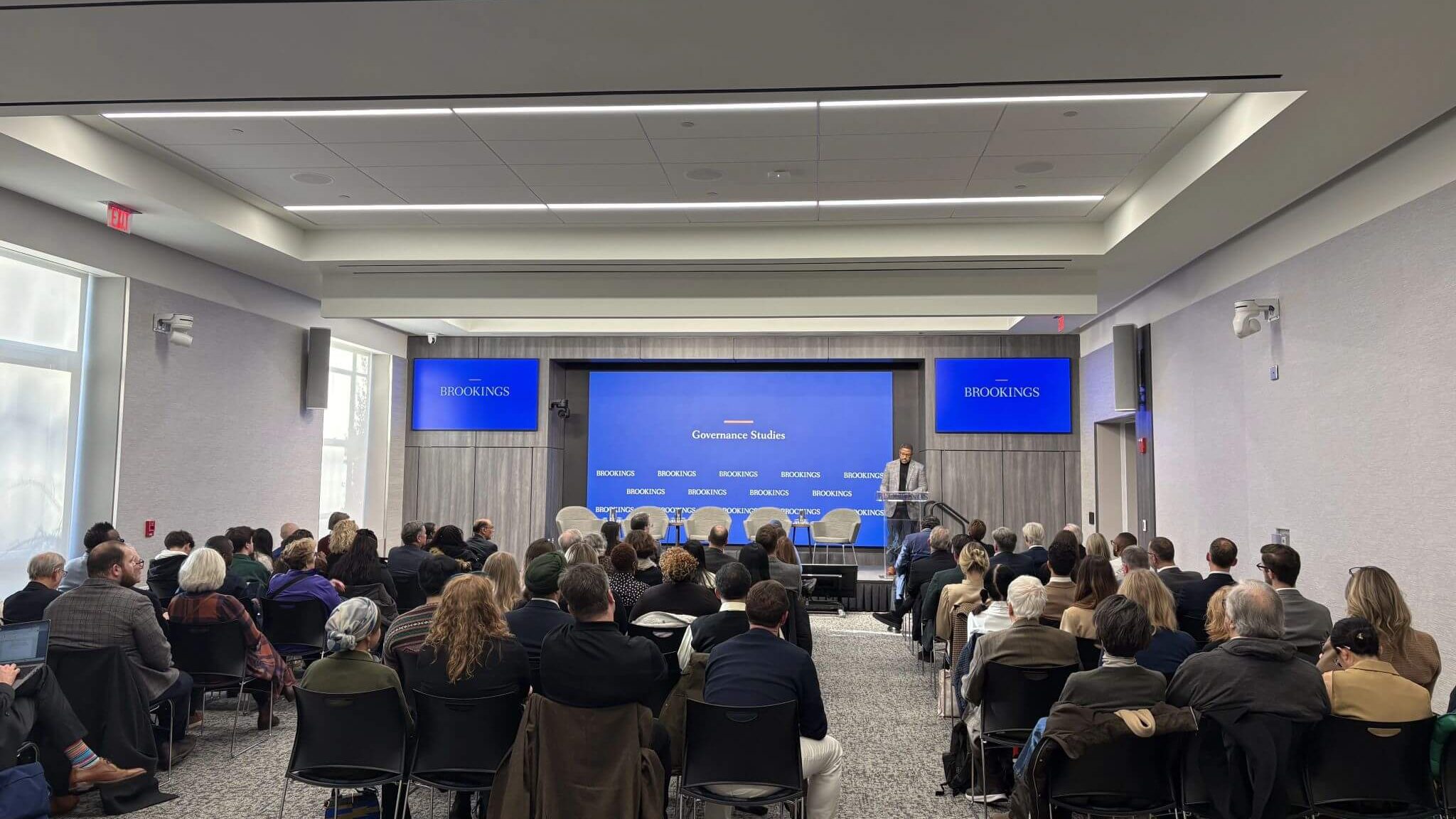
The panel featured prominent legal scholars whose work engages constitutional law, religious liberty, and the First Amendment. Stephanie Barclay, Professor of Law at Georgetown University Law Center and Faculty Co-Director of the Georgetown Center for the Constitution, addressed how recent executive actions fit within evolving jurisprudence on religious accommodation and free exercise. Martin Lederman, Professor from Practice at Georgetown University Law Center and Senior Fellow at the Supreme Court Institute, offered insight into the separation of powers and the limits of executive authority in shaping religious policy. Christopher Lund, Professor at Wayne State University Law School, examined the real-world consequences of executive actions on religious minorities and civil society.
The event continues a collaborative relationship between the School of Divinity and the Brookings Institution that extends back nearly two decades with the 2008 publication of “Serving People in Need, Safeguarding Religious Freedom: Recommendations for the New Administration on Partnerships with Faith-Based Organizations,” authored by Melissa Rogers and E.J. Dionne and published by Brookings in cooperation with the School of Divinity’s Center for Religion and Public Affairs.
About the Wake Forest University School of Divinity
Founded in 1999, Wake Forest University School of Divinity is a graduate, professional school that is Christian by tradition, Baptist in heritage, and ecumenical in outlook. Guided by the University’s motto, Pro Humanitate, the School prepares leaders informed by a theological understanding of vocation and equipped to serve as agents of justice, reconciliation, and compassion in a complex world. The School offers masters and doctoral degree programs including dual degree programs in bioethics, counseling, education, law, management, and sustainability.
Media Requests
Director of Marketing, Communications, & Public Relations
Wake Forest University, School of Divinity