

What James Madison can teach Americans about religious freedom today
March 9, 2026
by Dean Corey D. B. Walker as published in The Conversation
As the United States marks the 250th anniversary of the Declaration of Independence, debates about religious freedom continue to occupy the center of American public life.
Since taking office for a second time, the Trump administration has issued a number of executive orders on religion that raise new questions about religious freedom. On May 1, 2025, the administration established the Religious Liberty Commission. The commission will advise the White House on policies intended to protect the free exercise of religion and to prevent discrimination against people of faith by the federal government.
The administration has also issued executive orders to “eradicate anti-Christian bias” and to broaden protections against religious discrimination across federal agencies.
Some scholars argue that these actions signal a broad effort to reshape how religious freedom is interpreted and practiced, with a pronounced emphasis on favoring Christianity.
Debates over religion in public life are not new. As a scholar of religious freedom, I have long been interested in how the early debates about religious freedom at the nation’s founding can help people better understand the present moment.
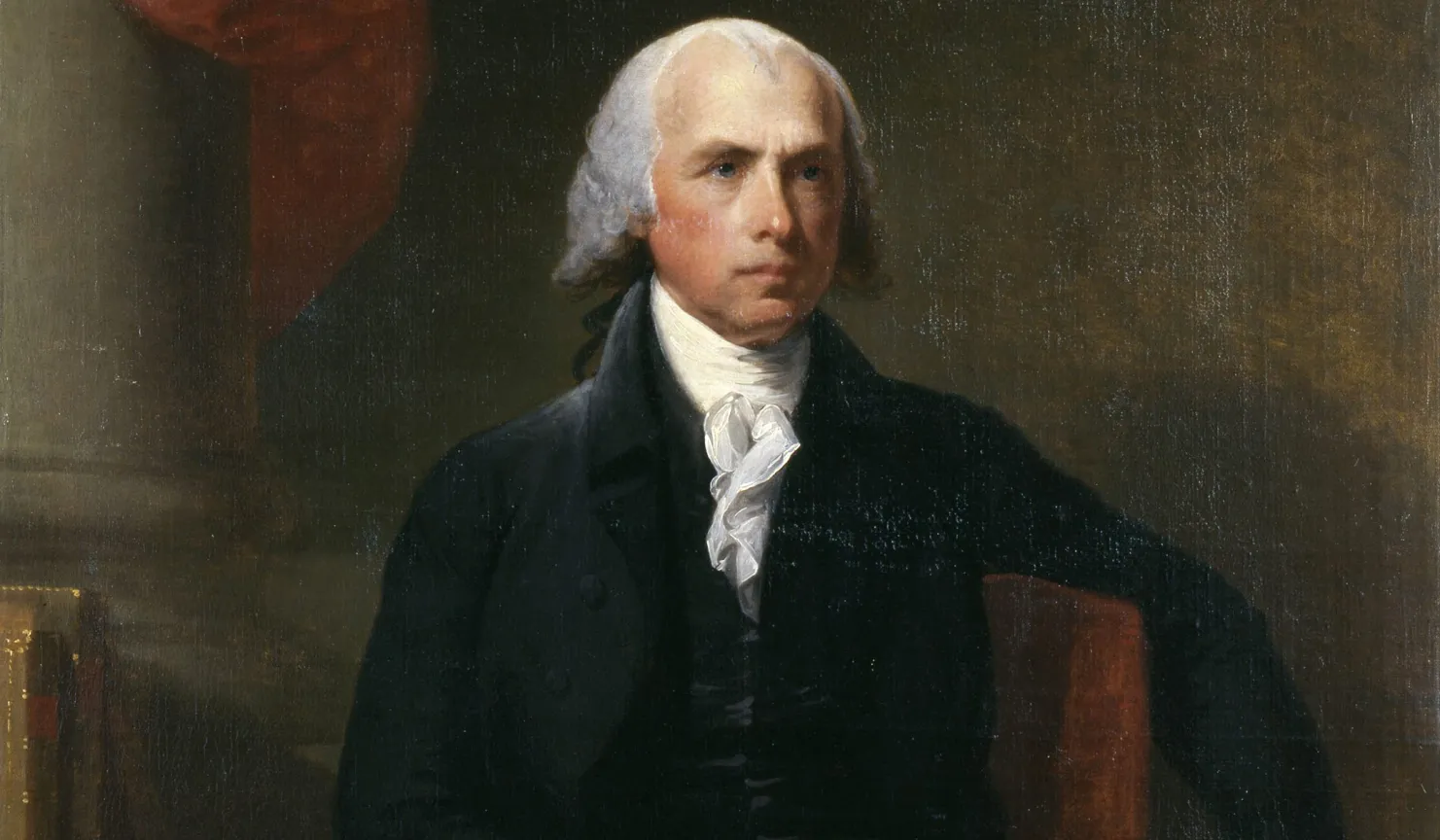
The early correspondence of James Madison – who went on to become the fourth U.S president and played a key role in the drafting of the Constitution and Bill of Rights – wrestles with the tensions of religion and public life. It can be instructive for Americans today.
To read the full article, visit The Conversation.
About the Wake Forest University School of Divinity
Founded in 1999, Wake Forest University School of Divinity is a graduate, professional school that is Christian by tradition, Baptist in heritage, and ecumenical in outlook. Guided by the University’s motto, Pro Humanitate, the School prepares leaders informed by a theological understanding of vocation and equipped to serve as agents of justice, reconciliation, and compassion in a complex world. The School offers masters and doctoral degree programs including dual degree programs in bioethics, counseling, education, law, management, and sustainability.
Media Requests
Director of Marketing, Communications, & Public Relations
Wake Forest University, School of Divinity